Learn as part of in a supportive, experienced team with expert tutors who are passionate about your success. Train in professional equine facilities and build real industry skills through work experience that prepares you for your future.
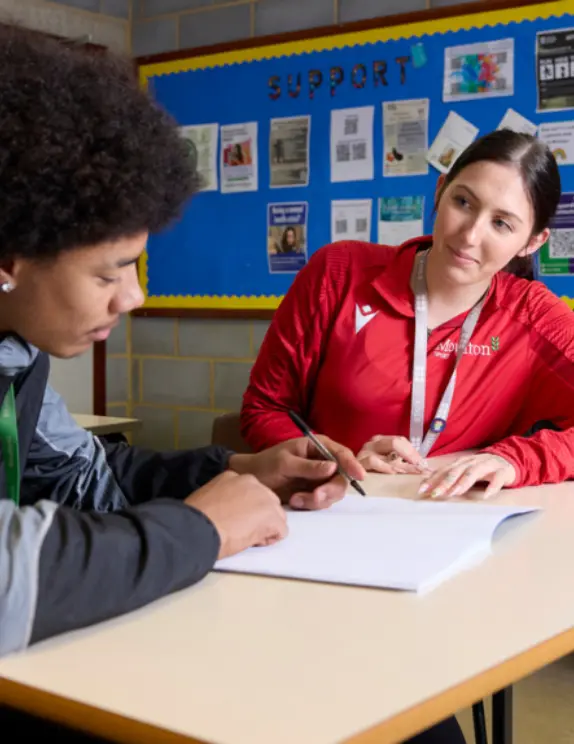
Moulton College offers a personal and professional environment for students passionate about working with horses. With smaller groups and supportive tutors, you’ll be known as an individual and guided towards your goals.
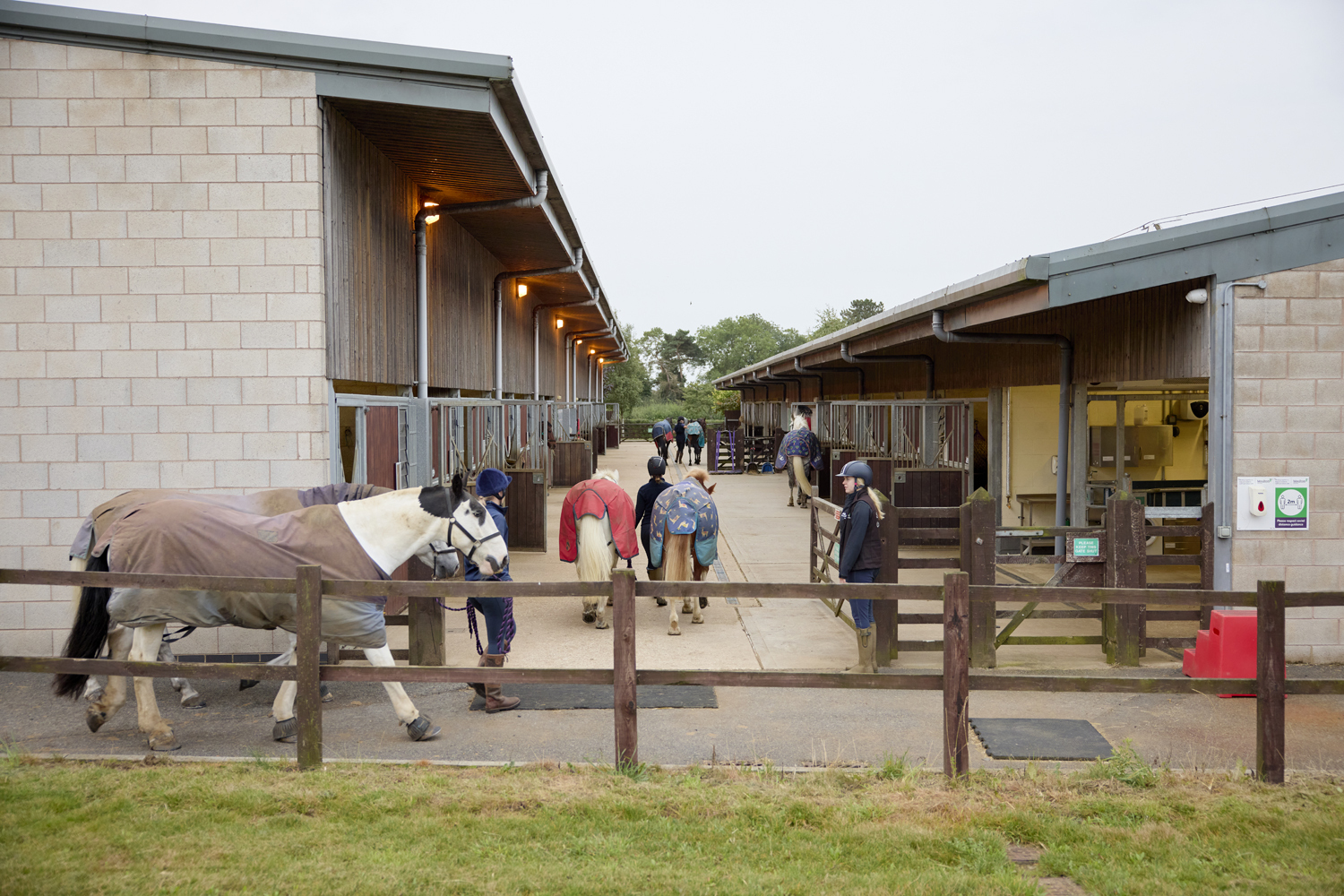
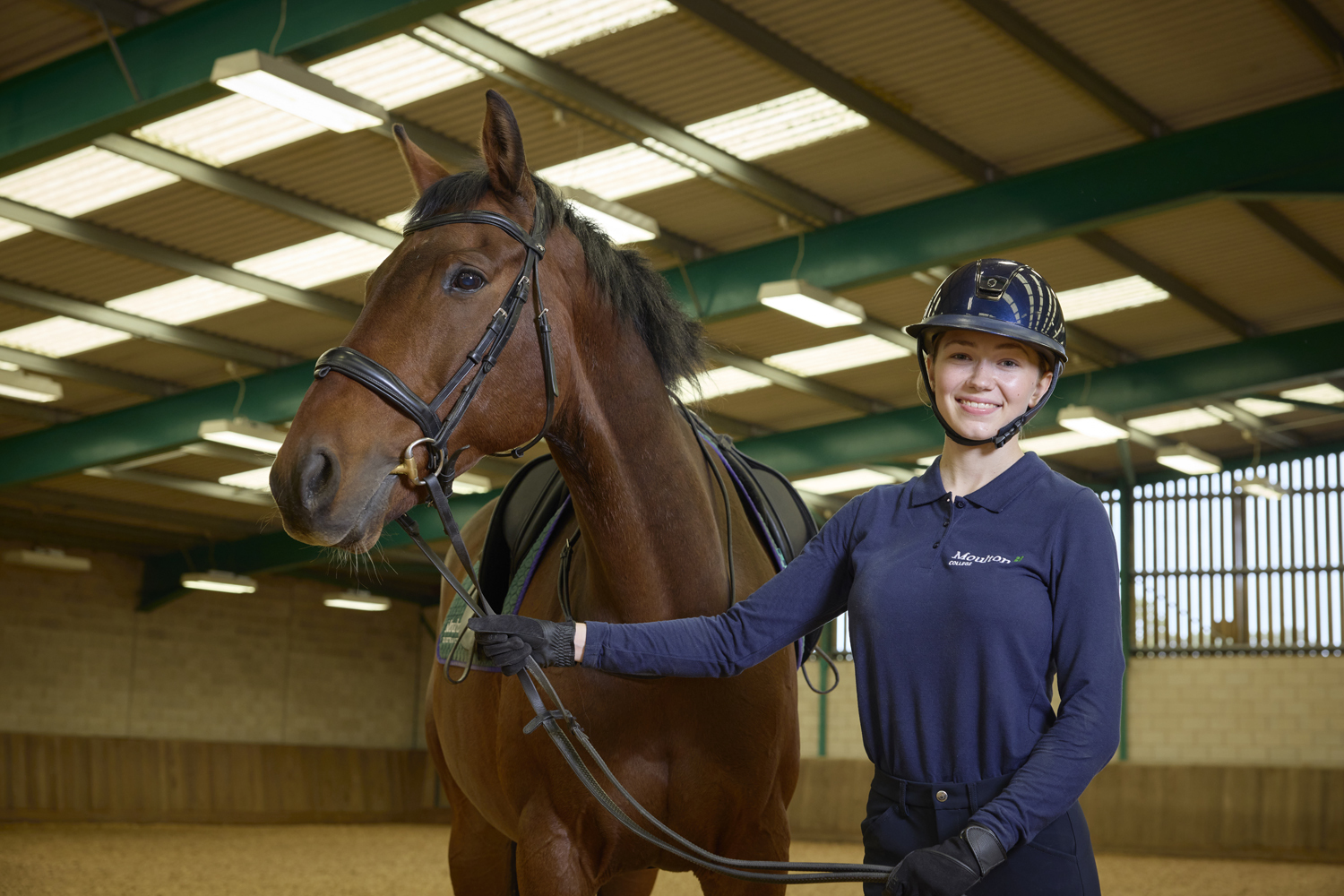
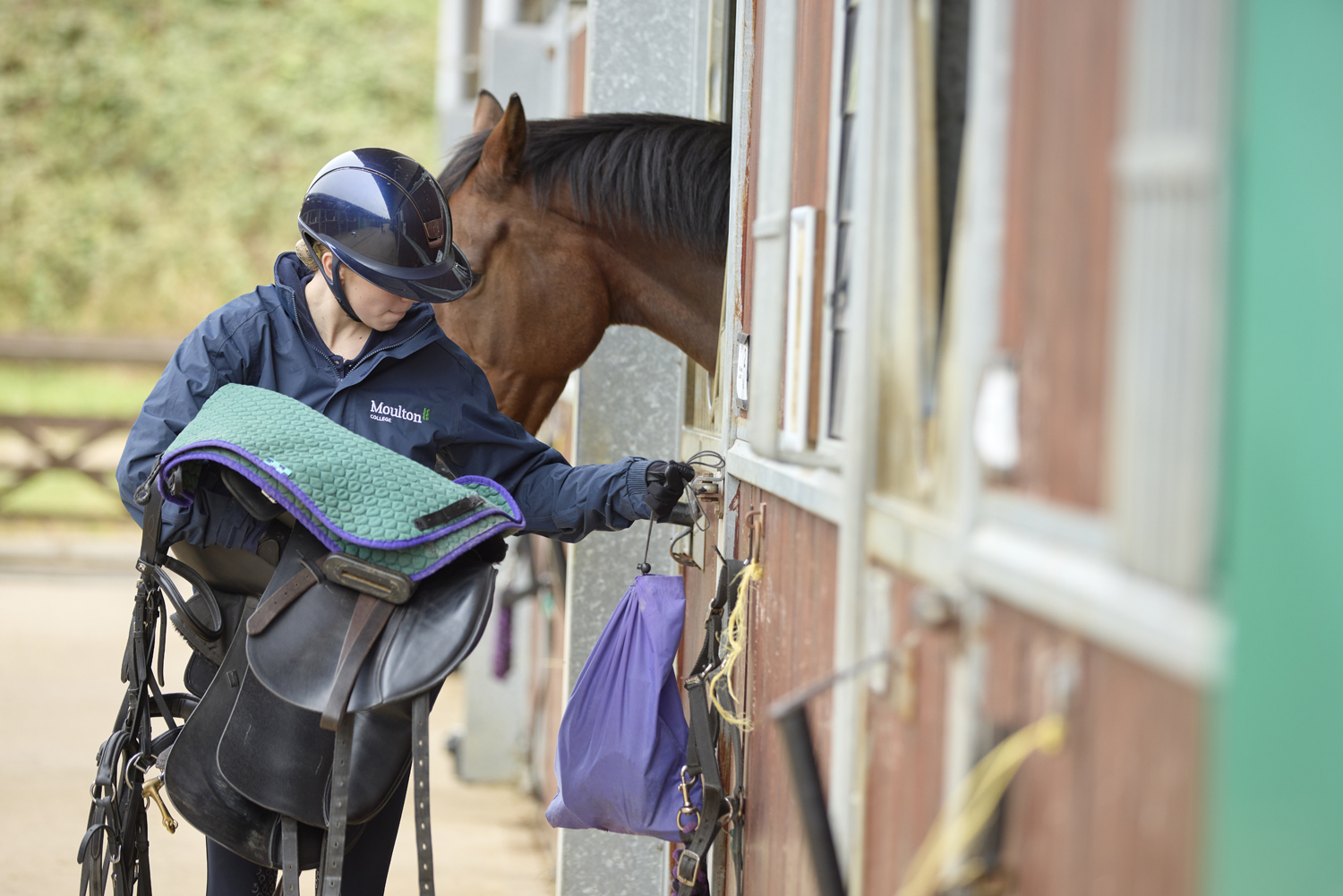
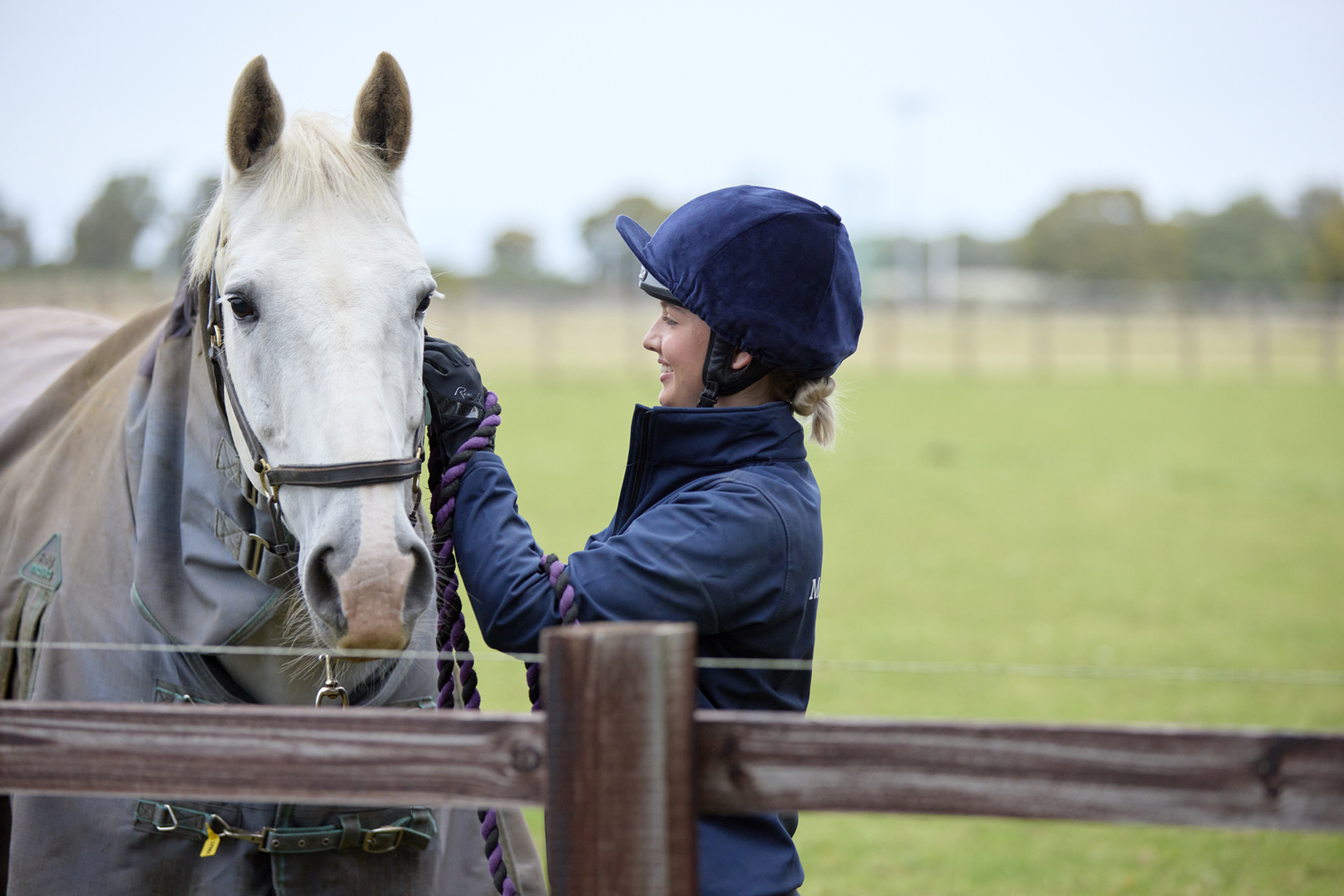
You’ll work with a range of college horses, developing your handling, care and riding skills in a safe and structured way. Our Equestrian Centre facilities are a key strength. We offer indoor and outdoor arenas, a cross-country course and specialist equipment.
The Equine Therapy Centre features advanced facilities such as a hydrotherapy pool, cold water spa and a water treadmill, supporting learning in equine rehabilitation and performance.
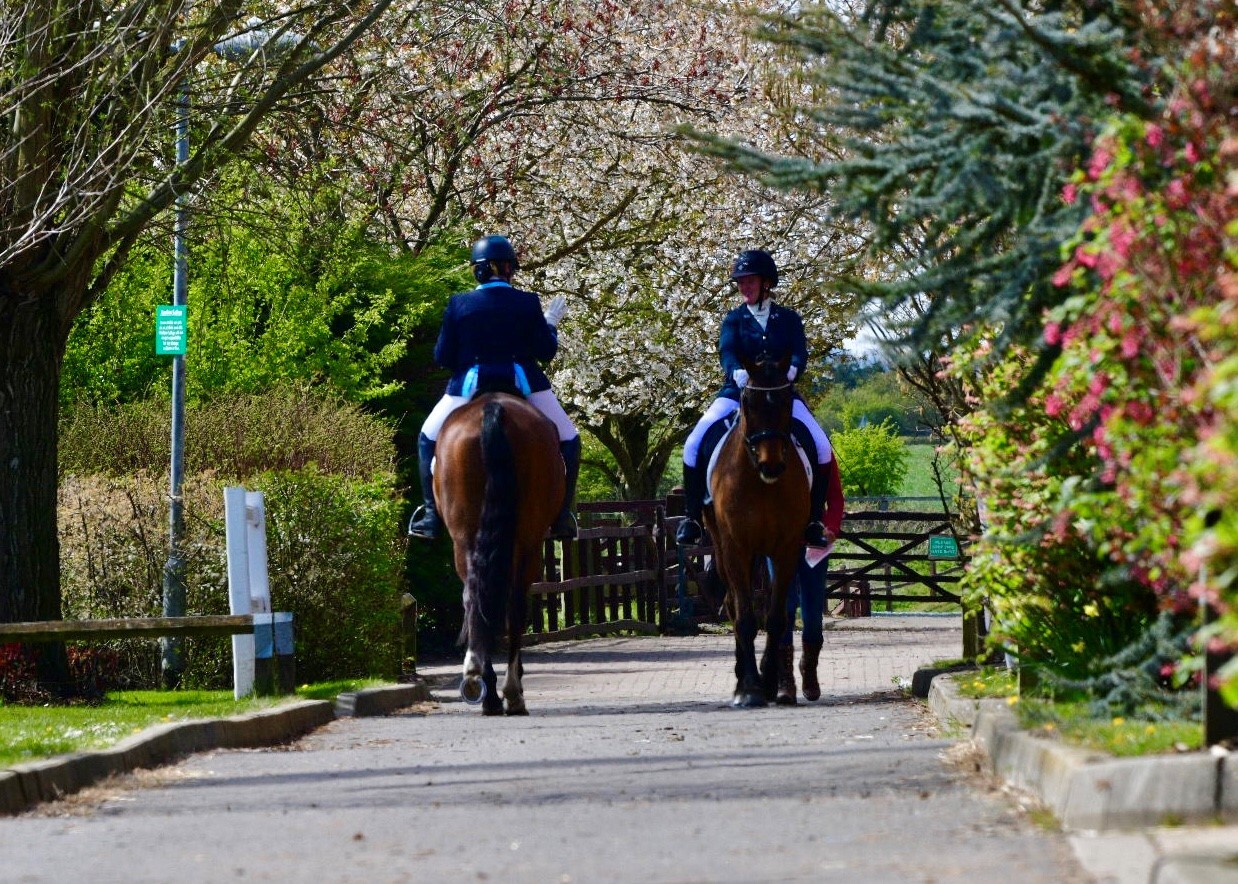
You’ll also benefit from strong industry links, with guest speakers, competitions and trips helping you understand the wider equestrian world. Previous opportunities have included events such as Your Horse Live and Badminton Horse Trials. There is also the chance to work with the public at competitions hosted on site to gain even more experience.
Our tutors have lots of experience in the industry and are passionate about helping you succeed. Combined with a strong sense of community, this creates a supportive environment where you can build confidence, skills and ambition.
You’ll also have the chance to get to know the horses you work with – each with their own character and role – helping you build real connections as part of your learning.
There are clear starting points at Level 1, Level 2 and Level 3, depending on your experience and qualifications.
At Level 1, you’ll build confidence and develop essential skills in horse care and stable management.
Level 2 builds your knowledge of horse management and care. You will develop practical and theoretical skills, including competition horse preparation, horse biology and physiology, and correct handling, feeding and watering.
At Level 3, you will advance your knowledge of horse management, competition preparation and care. You will develop a deeper understanding of horse fitness, behaviour, maintenance and equine science.
Riding is part of the course, but it is only one element. You’ll also explore areas such as yard management, equine science and industry practices, helping you understand the full scope of the sector.
You can also work towards additional qualifications such as The British Horse Society (BHS) BHS Challenge Awards and training for BHS exams, which are recognised across the industry and offered at a reduced cost through the college.
Career opportunities are wide-ranging. You could progress into roles such as groom, riding instructor, equine therapist, welfare officer, nutritionist or breeder, or continue into higher education.
With a strong focus on progression and employability, you’ll be supported to aim high and explore the many pathways available.
You’ll learn through a mix of practical sessions, theory and real industry experience.
Time is split between the yard, classrooms and specialist facilities, where you’ll develop skills in horse care, behaviour, health and management. Riding lessons are included, but most of your time will focus on broader equine skills and knowledge.
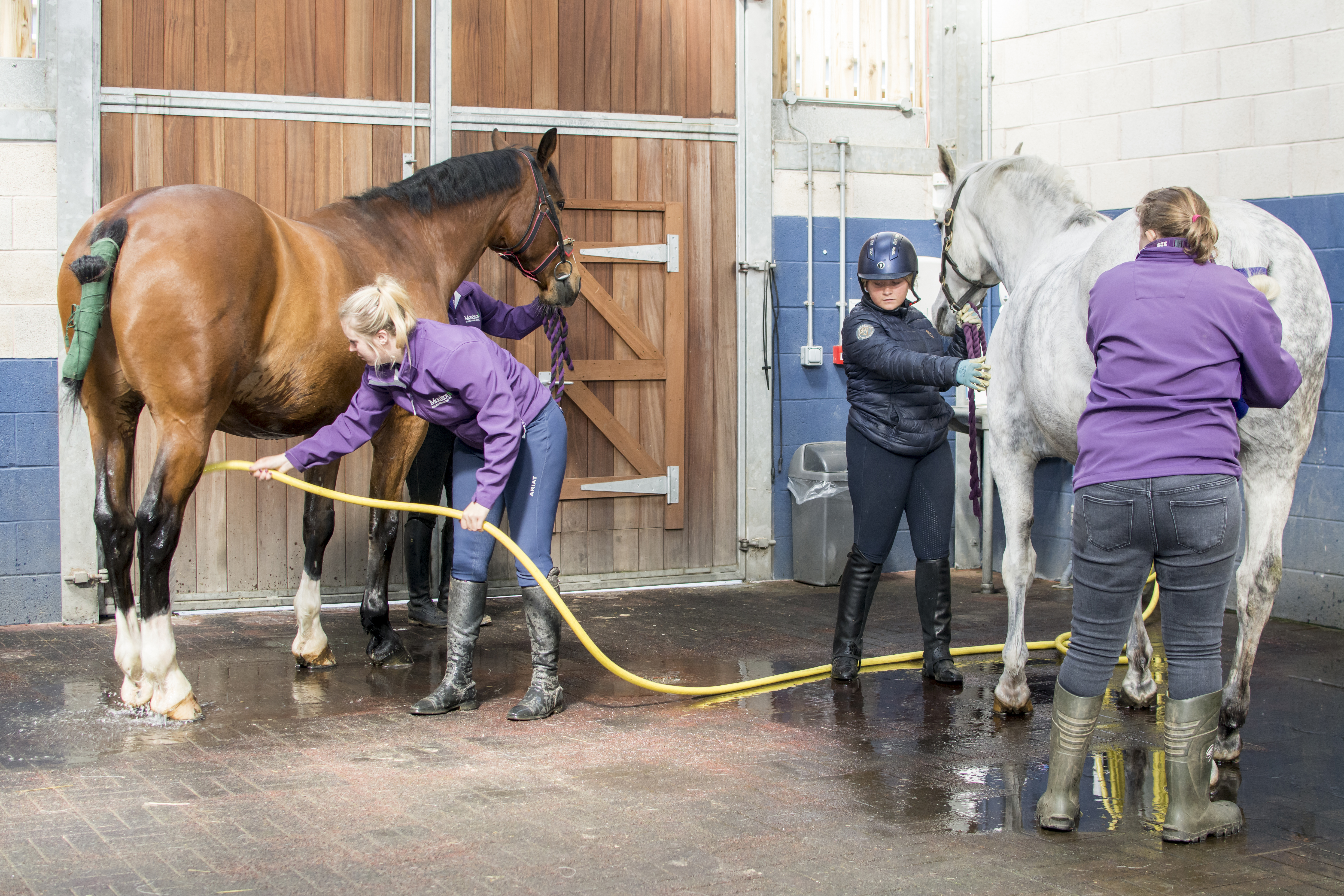
All students complete commercial experience, assisting on the college yard, caring for and managing our herd of horses. You’ll follow a duty rota and take part in daily routines, including yard tasks at the beginning and end of each working day, as well as full days at the weekends.
This gives you valuable experience of real working patterns, helping you build the skills, discipline and confidence needed for the industry.
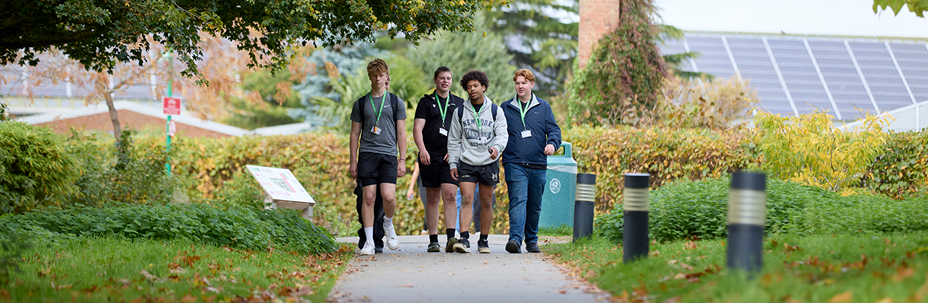
You’ll also have opportunities to take part in trips, competitions and enrichment activities, helping you build confidence and industry awareness. Some students may access international experiences, gaining insight into global equine practices.
Learning reflects the realities of the industry, including early starts and physically active work. You’ll also develop wider skills such as teamwork, communication and responsibility.
This approach ensures you leave with practical ability, industry knowledge and the confidence to progress.
Have a question?
Have a look at our FAQs below to find out more
Hear From Our Past and Current Students
See how students just like you turned ambition into achievement.
What course are you looking for?
Full time | Level 3
Advanced Technical Extended Diploma Level 3 Equine Management
Full time | Level 3
Advanced Technical Extended Diploma Level 3 Equine Management (720)
Full time | Level 1
Diploma Level 1 Horse Care
Full time | Level 2
Technical Certificate Level 2 Equine Care
Explore Your Future Career
Facilities you will be using
To develop your handling and riding skills
Equine FAQs
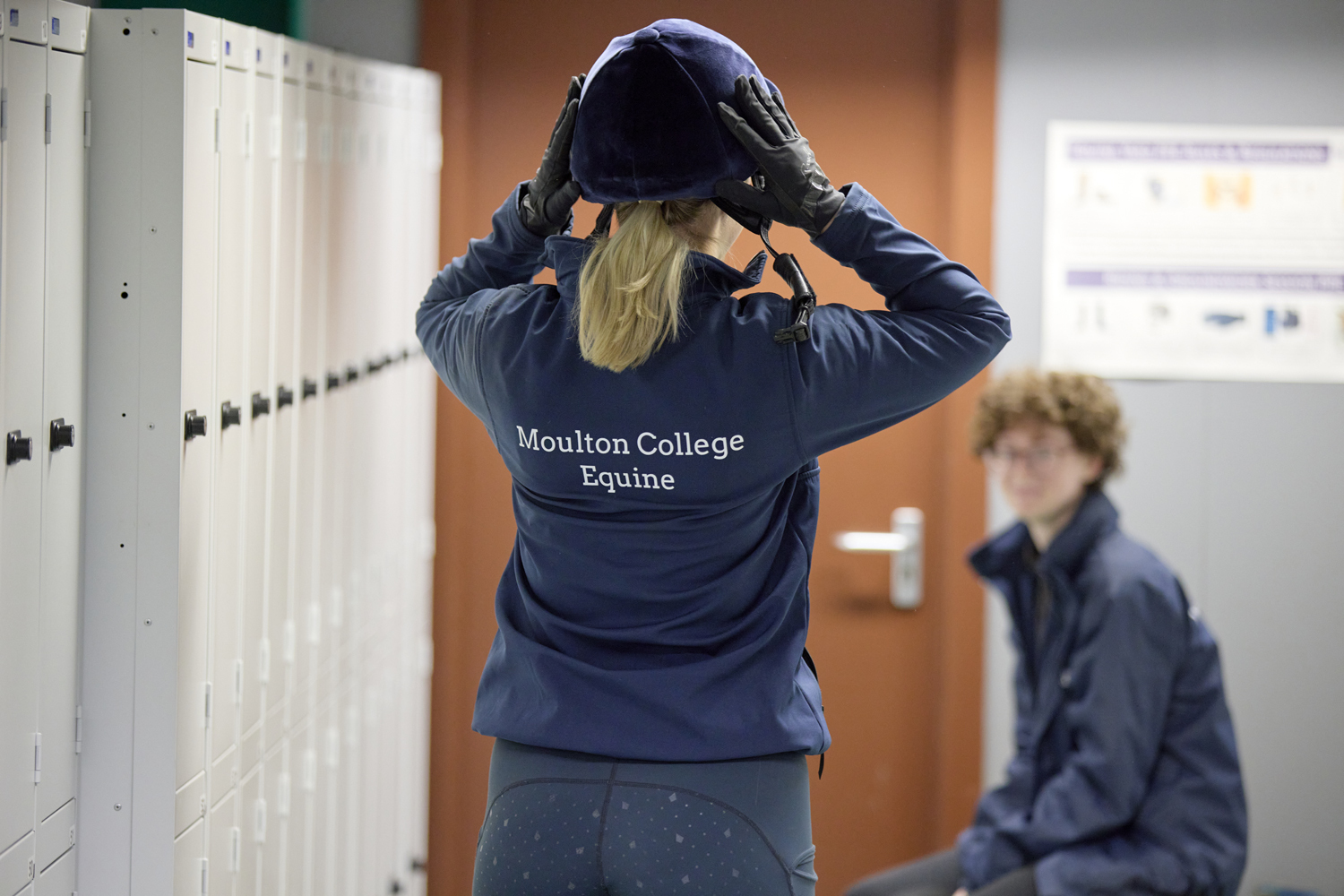
You’ll need appropriate riding and yard clothing, including a riding hat that meets current BETA safety standards, riding boots with a heel and suitable outdoor wear. A full kit list is provided before you start.
If you have been awarded a bursary, the college will pay up to £150 for a higher award, or £75 for a partial award. Please send in your receipt to [email protected] for a refund.
Riding is a small part of the course. You’ll typically ride for around one to one and a half hours per week, with most of your time focused on handling, care, behaviour and management. Please note that there is a riding weight limit of 13 stone for the welfare of our horses.
No. You do not need a horse or prior experience. Our courses are designed to support students from all backgrounds.
For horse welfare, there is a riding weight limit of 13 stone. You will complete a ride assessment before starting, including a discreet, private weigh-in, with ongoing checks to ensure welfare standards are maintained.
We do not offer standard livery. However, during commercial experience weeks, there may be opportunities to arrange temporary stabling.
You’ll complete a four-week rotation working with the college’s horses. This includes daily yard duties, horse care, event preparation and seasonal tasks, often involving early starts and weekend work. Students often move into on site accommodation to support early starts and evening responsibilities.
External work experience is required for BTEC courses and must be completed at an off-site equine yard.
Yes. Students have access to a fitness suite to support strength, balance and conditioning.
The equine industry offers a wide range of career pathways. You could become a professional rider, riding instructor or freelance coach, or progress into specialist roles such as equine veterinary nurse, physiotherapist, chiropractor or equine therapist.
There are also opportunities in animal health and care, including farrier, equine dentist, saddle fitter, breeder or stud groom, as well as welfare-focused roles such as equine welfare officer or mounted police.
For those interested in management, you could work as a yard manager, events manager or show centre manager, or move into education and research as an equine lecturer or nutritionist.
With so many options available, you can find a career that suits your interests and strengths, not just traditional yard roles.