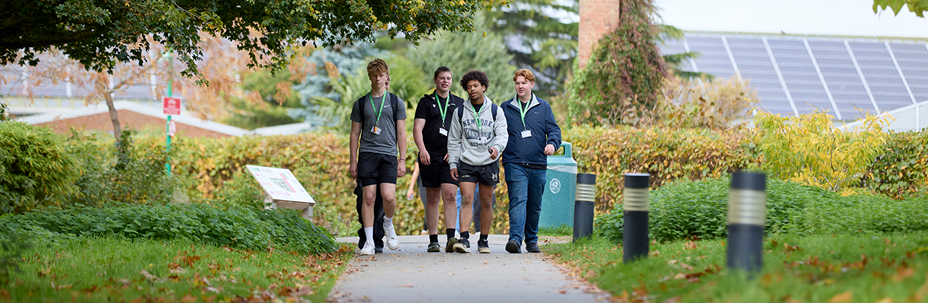
Gaining real-world experience is an important part of preparing for a future career.
At Moulton College, the majority of courses include opportunities for students to take part in work experience or industry placements. These experiences help students develop practical skills, build confidence and understand the expectations of their chosen industry.
Work experience allows students to apply what they learn in the classroom to real working environments.
Learning through practical experience
Work experience helps students develop the knowledge and skills employers are looking for.
Depending on the course studied, students may have opportunities to:
- take part in structured work placements
- work alongside industry professionals
- gain experience in specialist environments
- develop practical and professional skills
These experiences help students understand how their course relates to real career pathways.
The difference between work experience and work placements
Depending on their study programme, students may complete short work experience or a longer T-Level industry placement.
Work experience is usually 1–2 weeks or can be spread out throughout the year. It helps students understand the workplace, build confidence and explore career ideas. Activities often include shadowing staff and supporting simple tasks.
T-Level industry placements are a compulsory part of a T-Level course. Students complete at least 315 hours with an employer, developing practical skills linked to their subject and preparing for future employment.
Both options help students gain valuable insight into working life and develop important skills for their next steps.
Industry links and employer partnerships
Moulton College works with employers across a range of sectors to support student learning and progression.
Employer partnerships may include:
- work experience placements
- industry visits and guest speakers
- live projects or practical activities
- career events and networking opportunities
These connections help students gain insight into their chosen industry and develop valuable contacts.
Preparing for employment
Work experience supports students to develop important employability skills, such as:
- teamwork and communication
- time management and organisation
- confidence in professional environments
- understanding workplace expectations
These skills help students feel better prepared for employment, apprenticeships or further study.
Support finding and during placements
Our staff support students before, during and after their work experience.
This may include guidance on finding placements, preparing for the workplace and reflecting on the skills they have developed.
Students are encouraged to find their own work placements, invaluable practice for when they begin to apply for full-time positions in the future.
Some courses include a compulsory element of work experience or a work placement however all students are encouraged to make the most of work experience opportunities to help them plan their future career.