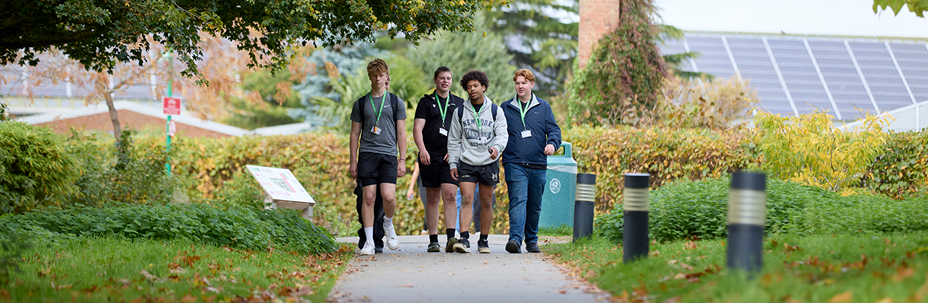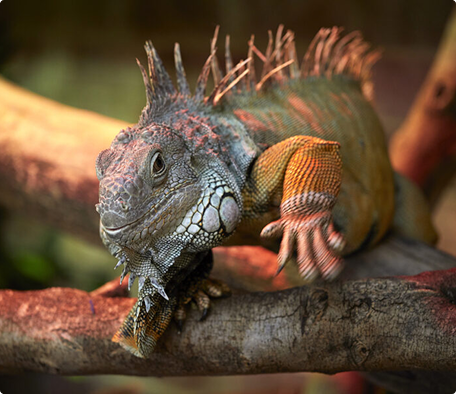
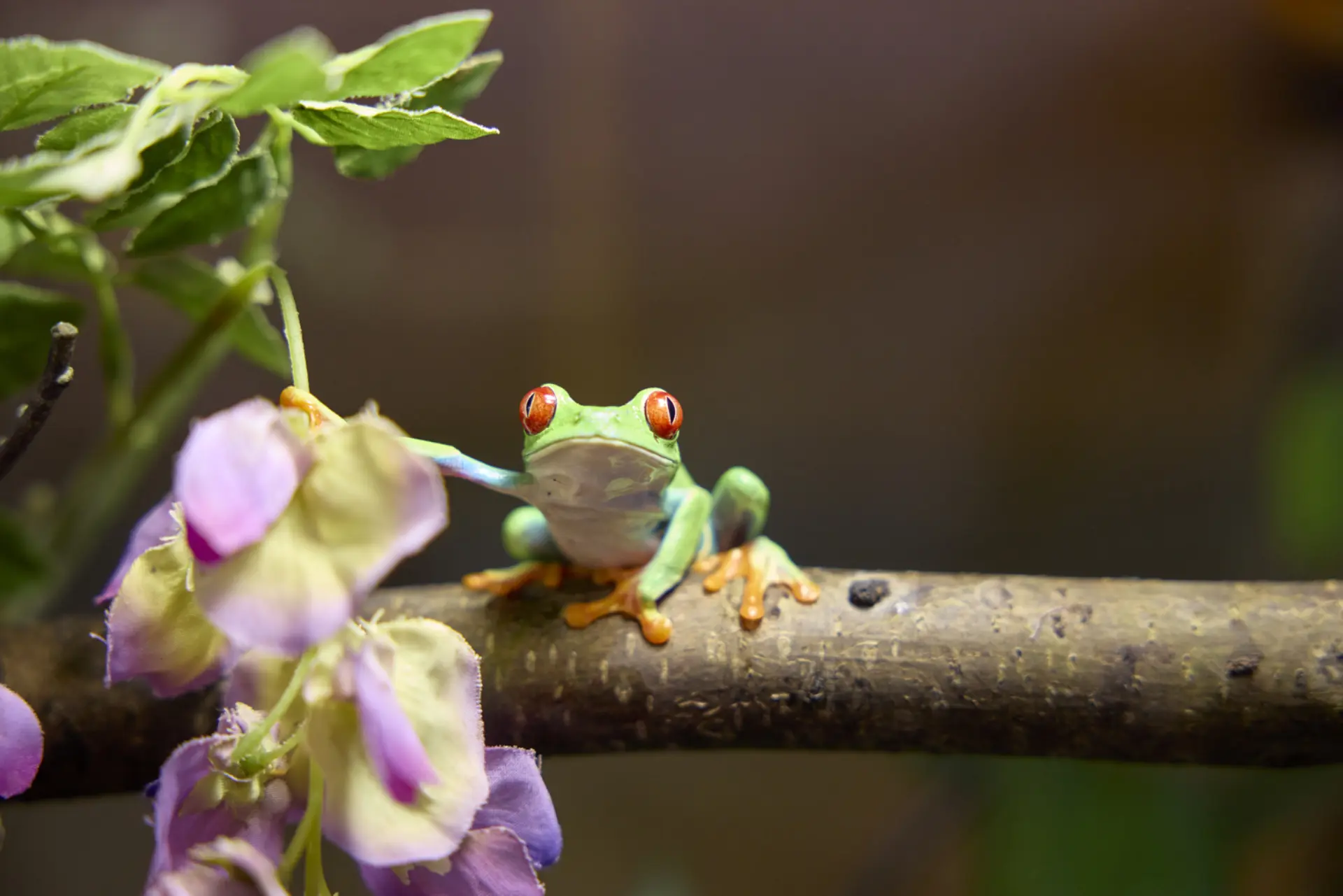
Turn your passion for animals into a rewarding career. At Moulton College, you’ll learn animal care, behaviour and science while working with a wide range of native, domestic and exotic species. With access to natural habitats across campus, you’ll explore ecology, conservation and animal welfare in real outdoor environments as well as in specialist facilities.
Moulton College offers a supportive place to learn for anyone who wants to work with animals. Our small class sizes mean tutors get to know you well and can support your individual needs.
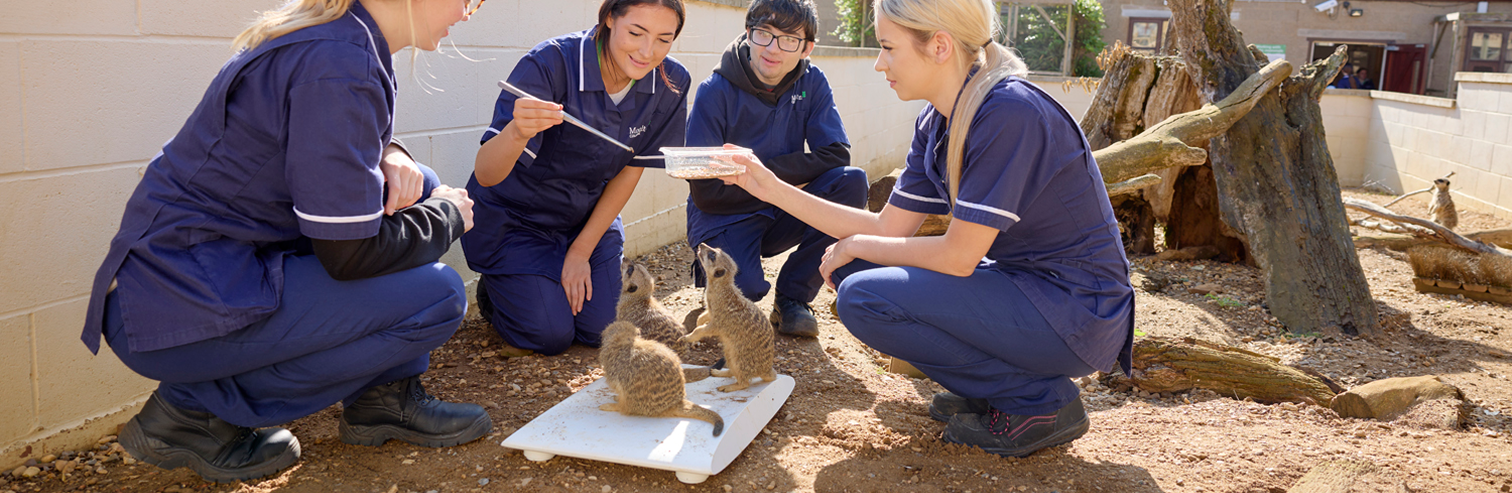
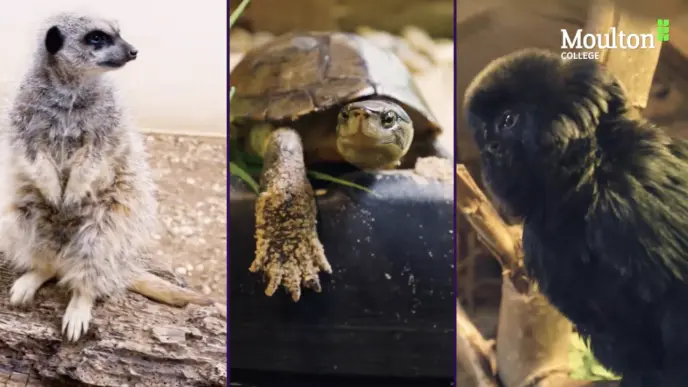
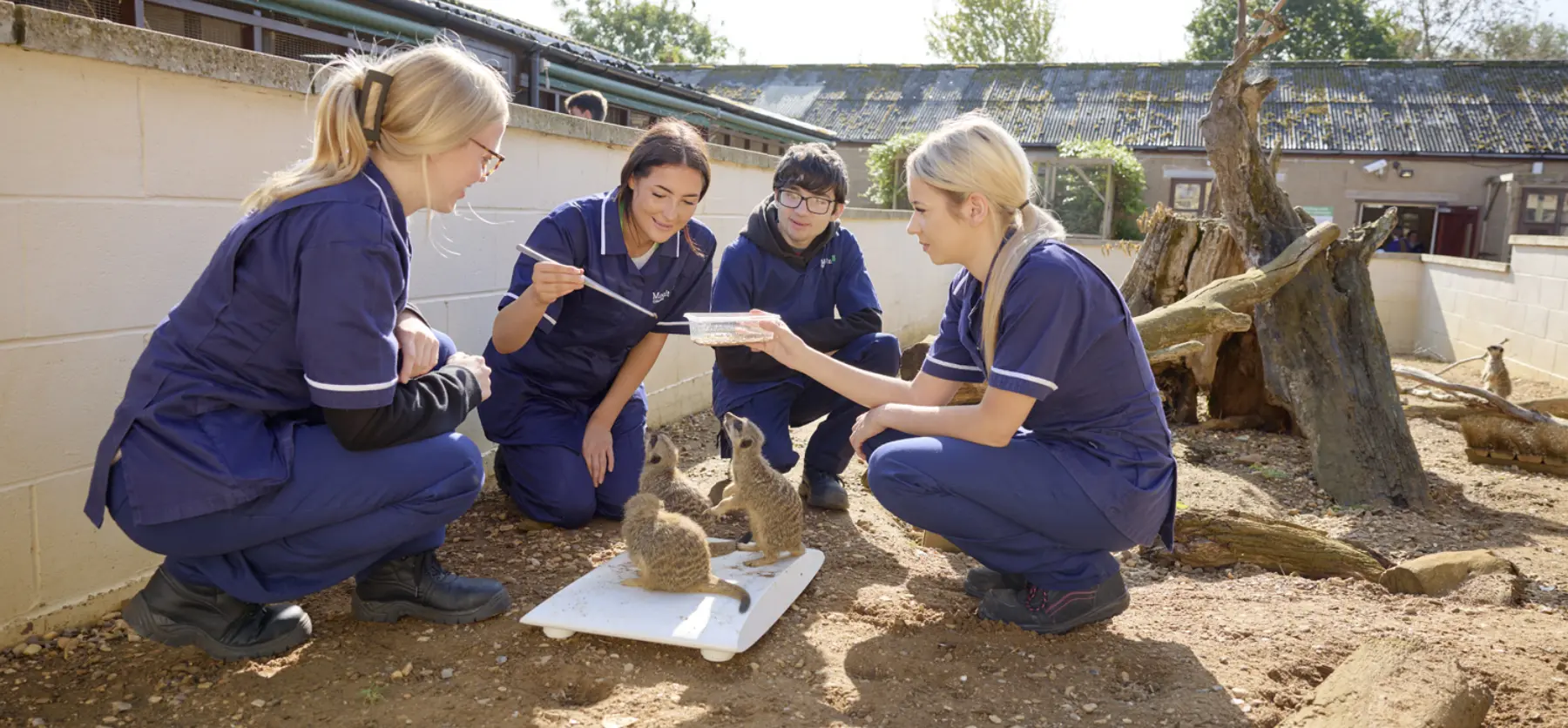
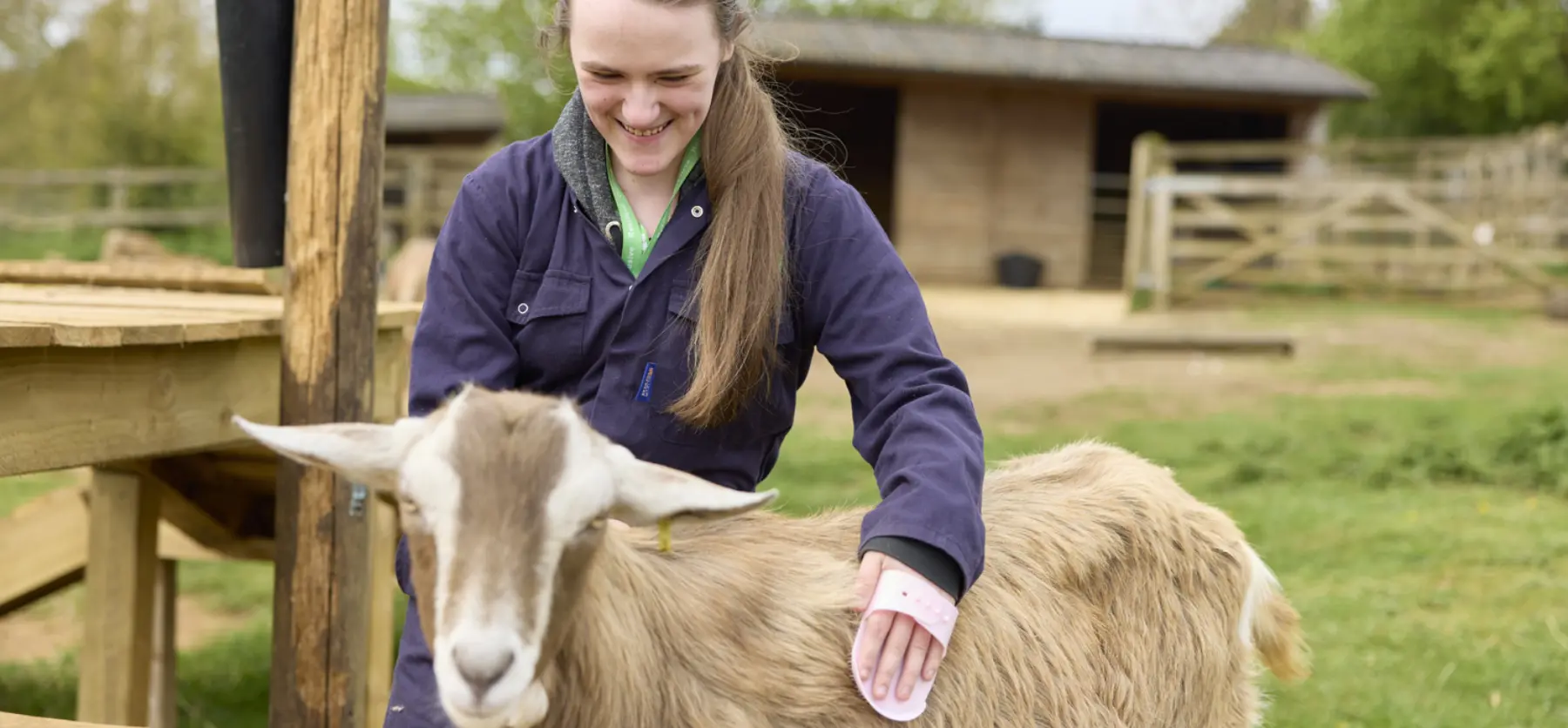
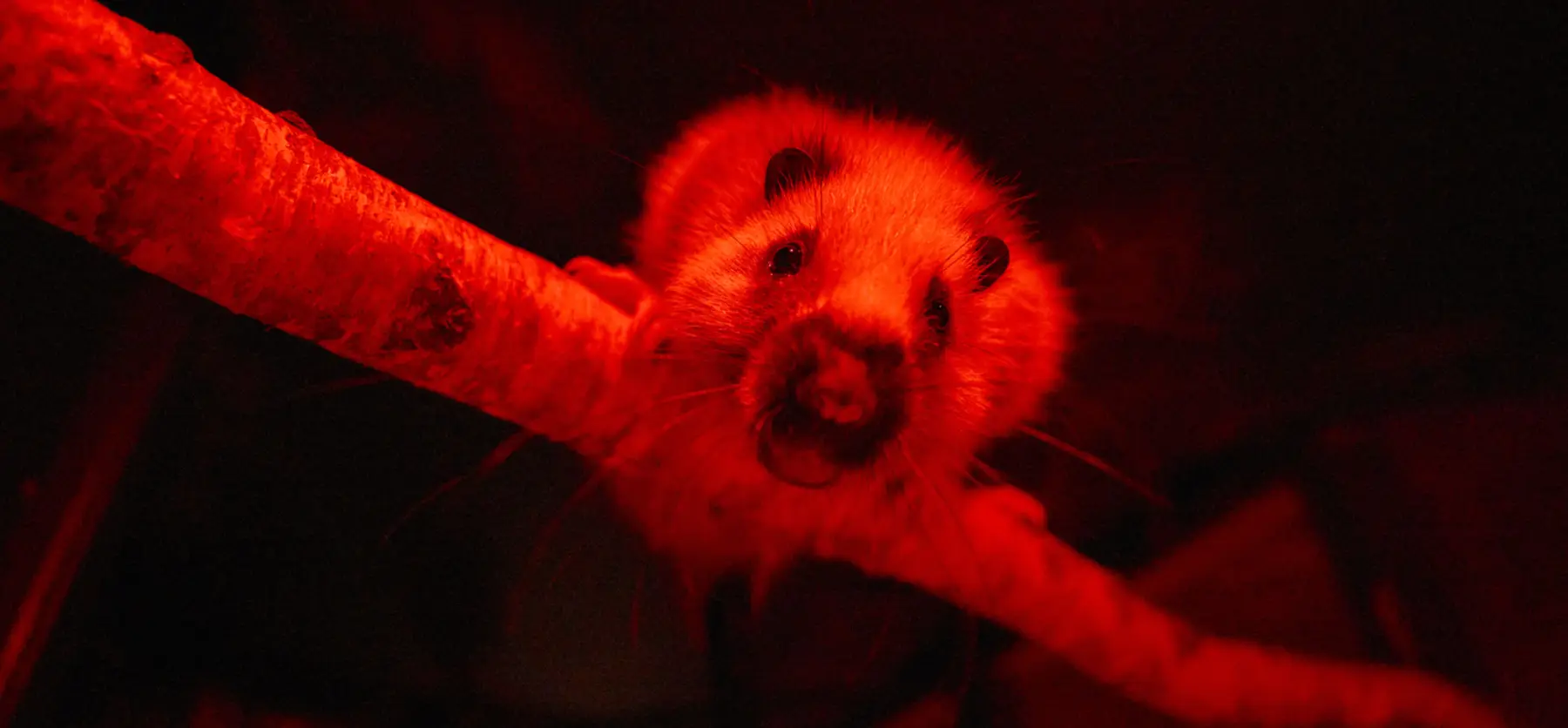
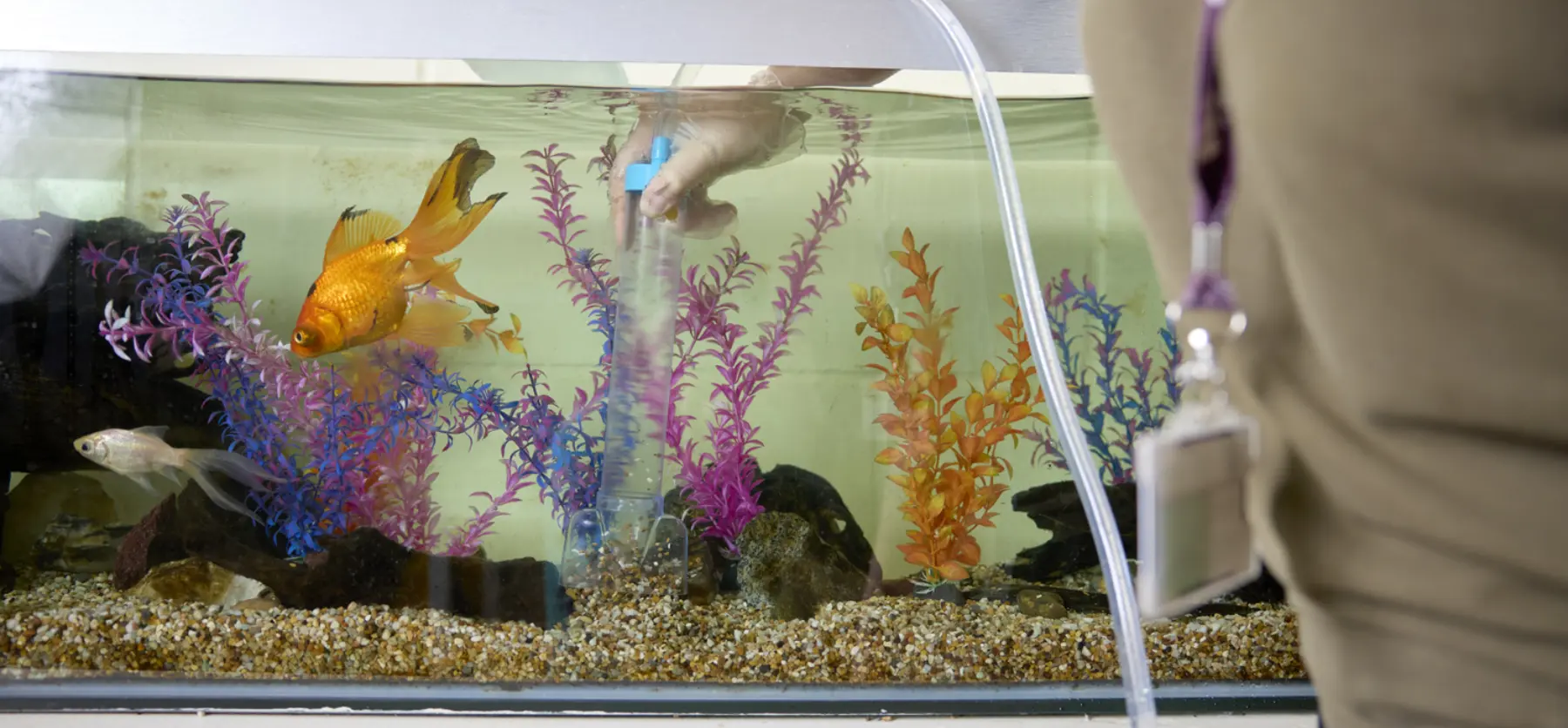
Students gain hands-on experience with a wide range of species. Alongside this, you’ll learn in our state-of-the-art Animal Welfare Centre, laboratories and large outdoor spaces, including woodlands and aquatic areas. These environments help you understand ecology, biodiversity and how animals behave in different settings.
Your learning won’t be limited to the animal centre. You’ll take part in fieldwork, forest‑school style activities and conservation projects across the campus. You’ll also have opportunities to visit zoos, industry events and even take part in overseas study trips to places such as South Africa and Costa Rica.
Our staff have experience working in zoos, veterinary practices and conservation organisations. Guest speakers and employer partnerships keep the course up to date and linked to real industry practice.
We also offer higher education courses in animal behaviour and applied zoology, validated by the University of Northampton, for students who want to study further.
If you want a course that combines science, real‑world experience and learning from a wide range of species, Moulton College is an excellent place to start.
Students can start at Level 1, Level 2 or Level 3 depending on qualifications and experience.
Level 1 develops basic skills in animal care, handling and welfare.
Level 2 builds your scientific understanding and practical skills, including behaviour, nutrition and health.
Level 3 the T-Level explores animal science in greater depth. You’ll develop advanced skills in welfare, management and conservation projects.
Throughout all levels, work experience is built in so you can apply your skills in real workplaces, supported by a placement officer and employer links.
If you want to earn while you learn, we also offer two apprenticeship programmes at Level 2 and Level 3 within the animal welfare and veterinary sector.
Higher education courses validated by the University of Northampton allow you to specialise in zoology, conservation or veterinary‑related study if you choose to continue.
Career opportunities in this sector are wide‑ranging. You could work in companion animal roles such as animal care assistant, dog groomer or behaviourist. You could progress into the veterinary sector as a vet nurse, lab technician or support worker. There are also roles in wildlife and conservation, such as wildlife ranger, ecologist or rehabilitation officer, and zoo‑based roles including keeper, education officer or research assistant.
Moulton College supports each student to find your strengths and choose the best next step.
Learning is a mix of theory, practical sessions and fieldwork that reflects real animal‑care jobs.
A typical week includes time in the animal facilities, classrooms, labs and outdoor areas. You’ll study topics such as behaviour, welfare, nutrition, handling and health. Practical sessions help you build confidence working with animals.
Work experience is a key part of the course. You’ll be encouraged to find your own placement, but our placement officer and employer links can help you secure a suitable one. These experiences allow you to apply your skills in real workplaces.
To enhance your studies, you’ll have the opportunity to take part in trips to zoos, industry events and talks from guest speakers. Some students also join overseas trips, gaining experience of global conservation work.
Alongside practical skills, you’ll complete assignments and theory work. You may work outdoors in different weather conditions and at different times of day, reflecting the reality of the animal care sector.
This mix of learning helps you build the knowledge, resilience and practical ability needed for a future in animal care or further study.
Have a question?
Have a look at our FAQs below to find out more



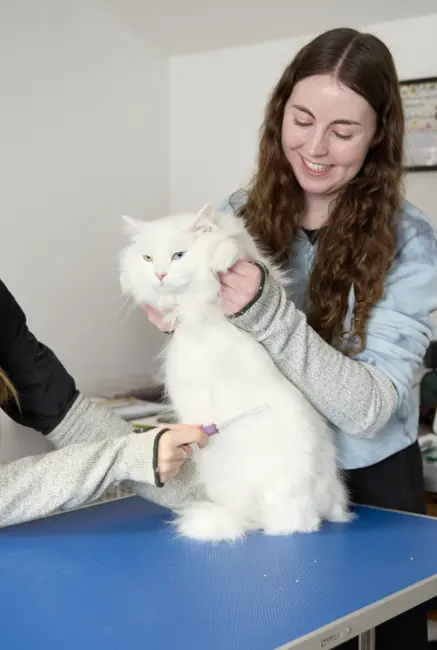

What course are you looking for?
Full time | Level 3
Access to Higher Education (Land-based Studies)
Full time | Level 3
BTEC National Extended Certificate Level 3 Animal Management
Full time | Level 1
Diploma Level 1 Animal Care
Full time | Level 3
Diploma Level 3 Veterinary Nursing (Small Animal Practice)
Full time | Level 3
T Level Animal Care and Management
Full time | Level 3
T Level Animal Science
Full time | Level 2
Technical Certificate Level 2 Animal Care
Explore Your Future Career
The facilities you'll be using
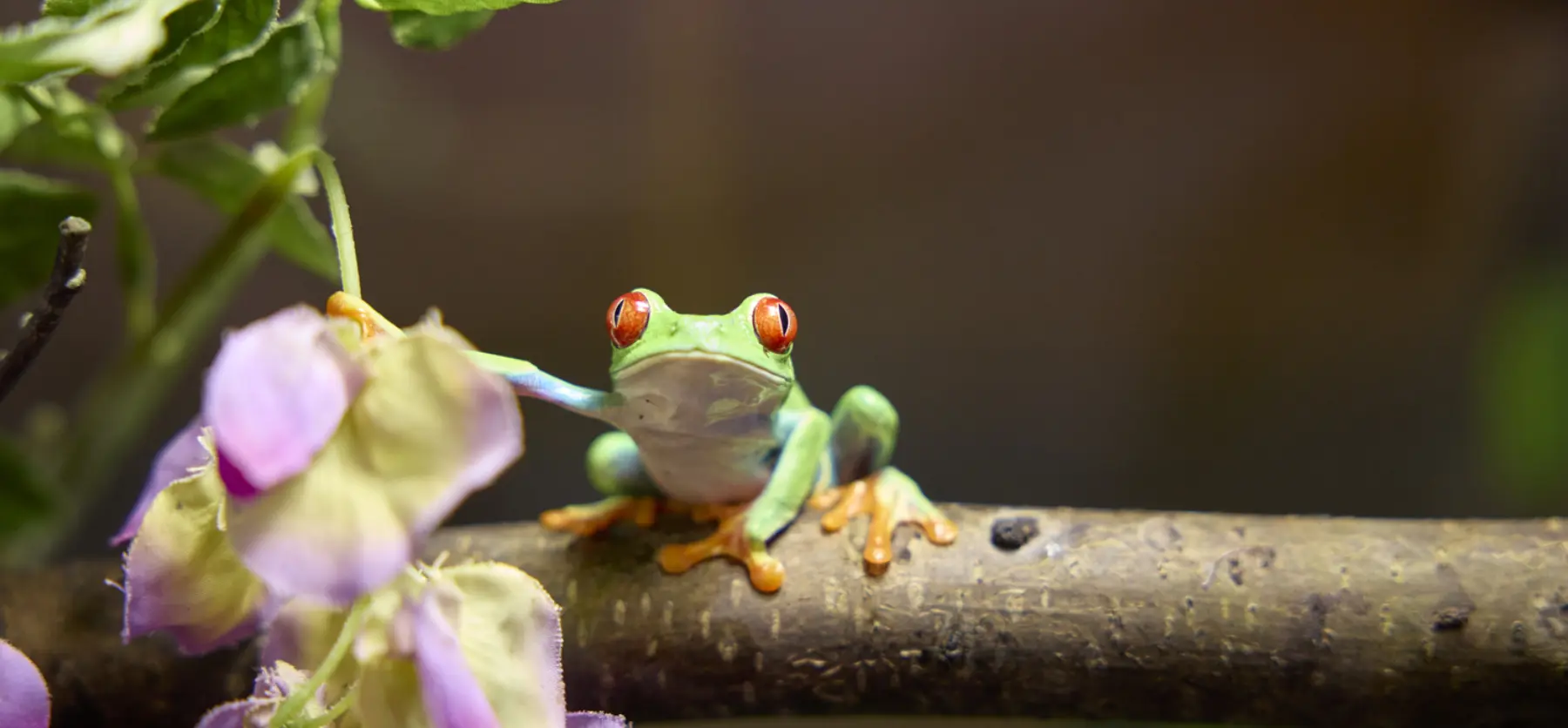
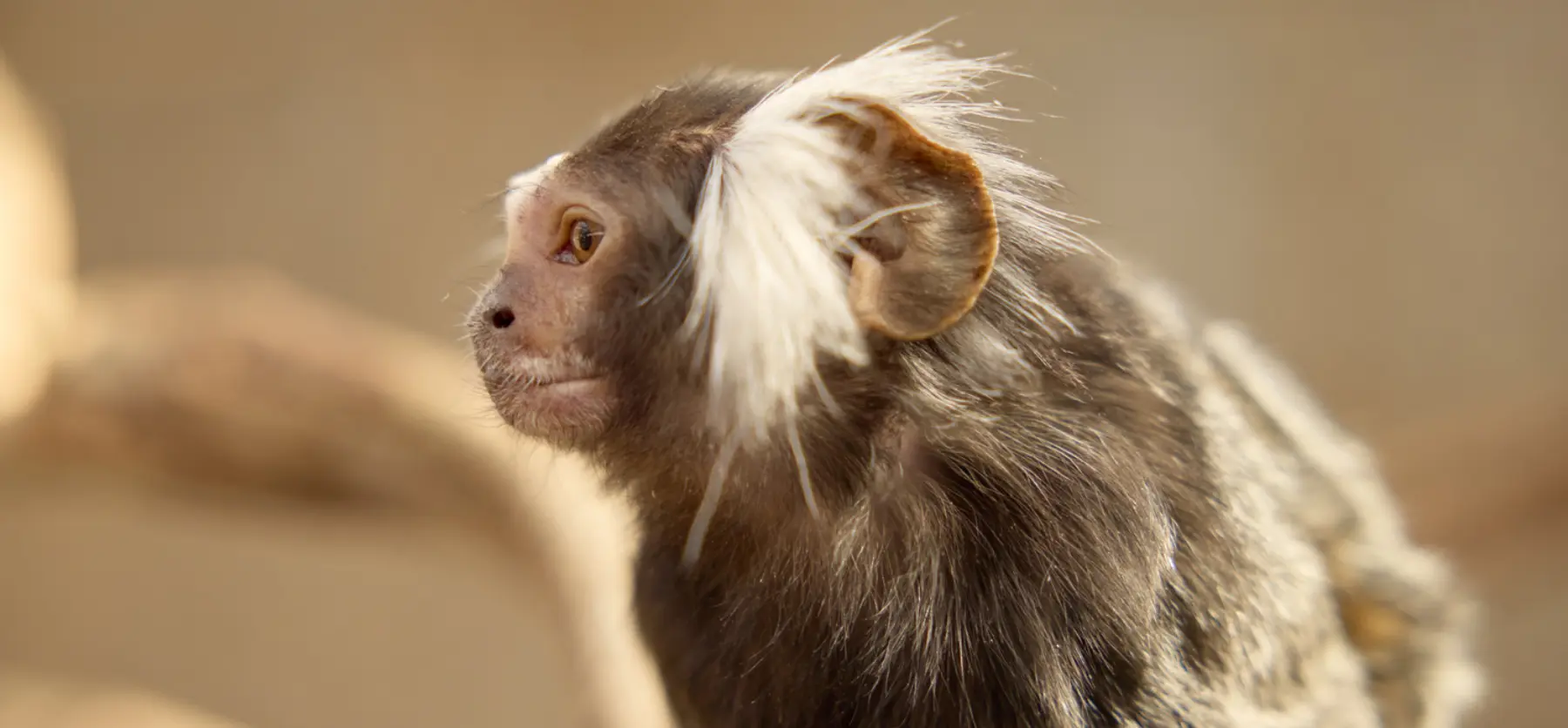
No other college in the UK can rival the purpose built facilities we have at Moulton College.
Animal Welfare FAQs
Entry requirements depend on the course level. Each course page will outline the grades you need, but there are options for a range of starting points.
You can start at Level 1, Level 2 or Level 3 depending on your qualifications and experience. Our team can help you choose the right starting point.
Yes. Work experience is built into all animal welfare courses and helps you apply your skills in real-world settings.
We encourage students to source their own placements, but support is available through our employer links and a dedicated placement officer.
You will have a mix of practical and theory. While working with animals is a key part of your learning, you will also study science-based topics and complete assignments.
A typical day may include practical animal care, classroom learning, outdoor fieldwork and work on assignments. Some days may also involve work experience placements.
Yes. You will need suitable clothing such as overalls, waterproofs and sturdy footwear. A full kit list is provided before the course, with recommended suppliers.
You could progress into roles such as animal care assistant, zoo keeper, veterinary support, or conservation officer. Higher education pathways are also available for students who want to specialise further.