Travel, especially for young people, holds immense potential. It expands horizons, offers fresh perspectives, and builds the confidence needed to navigate an increasingly complex world. These formative experiences often lead to greater resilience, open doors to future opportunities, and nurture a deeper understanding of both self and planet (Matteucci, 2011)
In April 2025, our students joined Flooglebinder to embark on an immersive conservation expedition in Costa Rica—one of the most biodiverse countries on Earth. The Osa Peninsula, where 50% of Costa Rica’s biodiversity resides, served as our living classroom. Here, our students were immersed in fieldwork and learning led by a team of national and international scientists at the Osa Conservation Centre (Flooglebinder, 2025, Osa Conservation, 2025).
Among the many hands-on experiences, students:
- Collected and analyzed eDNA samples to monitor elusive wildlife,
- Installed and reviewed data from camera traps,
- Learned how to pilot drones used in conservation mapping,
- Explored the principles of ecological restoration and regenerative farming,
- Engaged in sea turtle conservation efforts.
Each activity was grounded in real-world impact and scientific inquiry, bringing theory to life
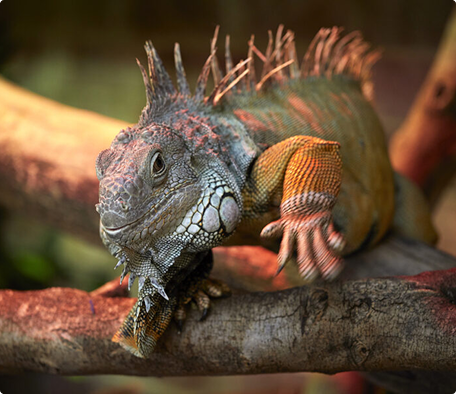
Seeing wildlife in its natural habitat offers more than just a moment of wonder. It provides measurable psychological benefits, fuels education and conservation efforts, and contributes to local economies through sustainable tourism. For many, it also sparks a lifelong connection to nature and a drive to protect it.(UN Tourism,2025, Curtain, 2013) Just 30 years ago I personally embarked on my own first conservation adventure to Uganda. That trip changed my life and perspective, so it was joy to see our students stepping out of their comfort zones and immersing themselves on this project.
As we face mounting environmental challenges, the conservation and management of biodiversity is essential. This critical work protects not only the species we share the planet with but also the ecosystems that support life itself.
Wildlife conservation is more than an ethical obligation; it's a necessary investment in our shared future. And for the next generation of scientists, conservationists, and global citizens, firsthand experiences like this Costa Rica expedition are invaluable.
References
Curtin, Susanna. (2013). The Intrinsic Motivations and Psychological Benefits of Eco/Wildlife Tourism Experiences. 10.4337/9780857939975.00023.
Flooglebinder (2025). Wildlife Expedition, Costa Rica [online]. Available from: https://flooglebinder.co.uk/co... [Accessed 02/07/25].
Matteucci, Xavier. (2011). A LASTING IMPRESSION: THE IMPORTANCE OF GLOBAL TRAVEL FOR YOUNG PEOPLE. Available at: https://www.researchgate.net/p... [Accessed: 02/07/25]
Osa Conservation (2025). Protecting Costa Rica’s Greatest Wilderness [online]. Available at: https://osaconservation.org/ [Accessed: 02/07/25]
UN Tourism. (2025). Why Wildlife? Available at: https://www.unwto.org/asia/unw... [Accessed: 02/07/25]